Dental Implants in Montrose, CO: What to Expect from Consultation to Final Restoration
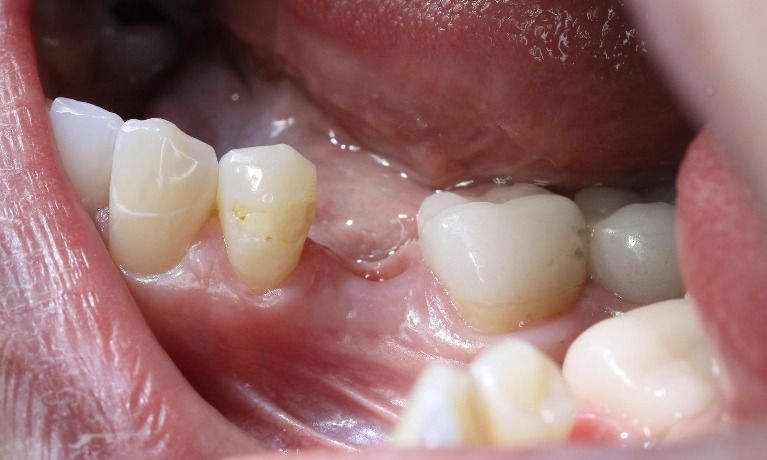
If you have a missing tooth, the jawbone beneath it starts shrinking within the first year — a process called resorption — and that bone loss can shift neighboring teeth and change your facial shape over time. Dental implants are the only tooth replacement option that stops this by fusing directly with the bone. For Montrose patients who want a permanent, stable solution without driving to Grand Junction or Denver, getting that process started locally makes a real difference.
How Do Implants Compare to Dentures for Missing Teeth?
Implants stay fixed in your jaw and function like natural teeth, while dentures rest on your gums and can slip — especially as the jawbone continues to shrink beneath them.
A denture replaces the visible tooth but does nothing for the bone underneath. Over years, that shrinkage makes the denture fit worse, which means more adjustments and eventual replacement. An implant, by contrast, transmits chewing force into the bone the same way a real tooth root does, which keeps the bone stimulated and intact.
A fixed bridge is another alternative, but it requires grinding down the healthy teeth on either side to serve as anchors. Implants stand alone and leave neighboring teeth untouched. That single difference protects more of your natural tooth structure long-term.
What Makes Someone a Good Implant Candidate?
Good candidates have enough jawbone density to hold the titanium post, healthy gums, and no uncontrolled conditions that slow healing — but many patients who think they don't qualify actually can with a little preparation.
The key factors are bone volume at the implant site, gum health, and overall healing ability. Smokers face higher failure rates because nicotine restricts blood flow to healing tissue, so patients are typically asked to stop smoking before and during the healing period. Conditions like uncontrolled diabetes also affect how well bone fuses with the implant.
If bone volume is low, a bone graft can rebuild the site before placement. If gum disease is present, treating it first — through professional teeth cleaning and deeper periodontal care — creates a healthier foundation. The point is: even if you assume you're not a candidate, a consultation gives you an accurate answer rather than a guess.
Do You Need a Tooth Extraction Before Getting an Implant?
If a damaged or failing tooth is still in place, it needs to be removed before implant placement can happen — but extraction and implant work can often be handled by the same provider at the same practice.
Having one office manage extraction, healing, and implant placement means the same team monitors your progress at every stage. There's no handoff to a separate oral surgeon and no gap in communication about your case. After extraction, a short healing period allows the socket to stabilize before the implant post is placed.
Not every extraction requires a long wait. Your provider will assess the site and tell you how much healing time is realistic before moving forward.
Walking Through the Implant Process Step by Step
The full implant journey moves through several distinct stages, each with a clear purpose and a predictable timeline.
Consultation: Your provider reviews your dental and medical history, discusses your goals, and answers your questions. This visit sets the foundation for everything that follows.
Imaging and treatment planning: X-rays map the bone volume and structure at the implant site so placement can be planned precisely. This step reduces guesswork and improves accuracy during surgery.
Extraction (if needed): If a failing tooth is still present, it is removed in-office before placement begins.
Implant placement: A titanium post is placed surgically into the jawbone under local anesthesia. The post acts as an artificial root and will eventually fuse with the surrounding bone.
Osseointegration: This is the healing phase, typically three to six months. Your body slowly bonds with the titanium post — a process called osseointegration — creating a stable anchor. Most of the total timeline is this waiting period, not active chair time.
Abutment placement: Once the post has fully integrated, a small connector piece called an abutment is attached. This is what the final crown will sit on.
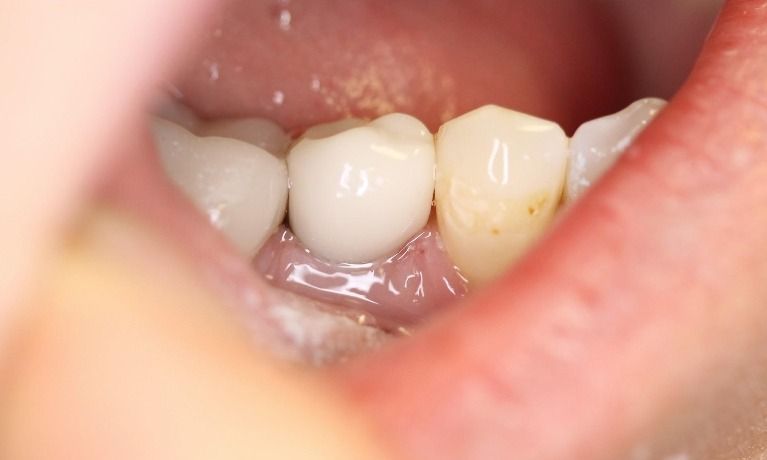
Crown restoration: The final visible tooth is placed over the abutment. Same-day crowns mean the crown can be designed and milled in-office, cutting out the lab delay that traditional crowns require. That compression of the final stage is meaningful when you've already waited months for the bone to heal.
How Long Does the Implant Process Take in Montrose?
Start to finish, most implant cases take several months — but the majority of that time is your body healing, not time spent in the dental chair.
Active appointments are spread out across the timeline. Consultations, imaging, and placement visits each take a defined amount of chair time. The long stretch in between is osseointegration, which you spend going about your normal life. Same-day crown technology specifically shortens the restoration phase at the end, so once healing is complete, the final tooth can often be placed in a single visit rather than requiring a return trip after a lab processes the crown.
Starting the consultation sooner means healing starts sooner. Patients who delay the first appointment often find themselves months further from a complete smile for no clinical reason.
What the In-Office Experience Looks Like in Montrose
Knowing what happens in the chair reduces anxiety more than almost anything else — and in Montrose, you won't need to coordinate care across multiple offices or providers.
Local anesthesia is standard for implant placement, and your provider will walk you through comfort options before the procedure begins. Post-op instructions cover what to eat, what to avoid, and what level of soreness is normal versus a reason to call. The team handles questions throughout the healing period, not just at scheduled visits.
Keeping the full process — extraction, placement, and crown — under one roof in Montrose means the people managing your case know your history at every step. That continuity matters when something like bone healing is being monitored over months.
Payment and financing options are available to help manage the cost of implant treatment, and new patient specials may apply — ask about both when you schedule your consultation.
Implants are a longer process than a filling, but they're also the closest thing to a permanent natural tooth that modern dentistry offers. Bone preservation, chewing stability, and the ability to brush and floss normally are outcomes that compound over decades.
Schedule your consultation with Mountain West Smiles to find out whether you're a candidate and get a clear timeline built around your specific case — start by completing your new patient forms online before your first visit.